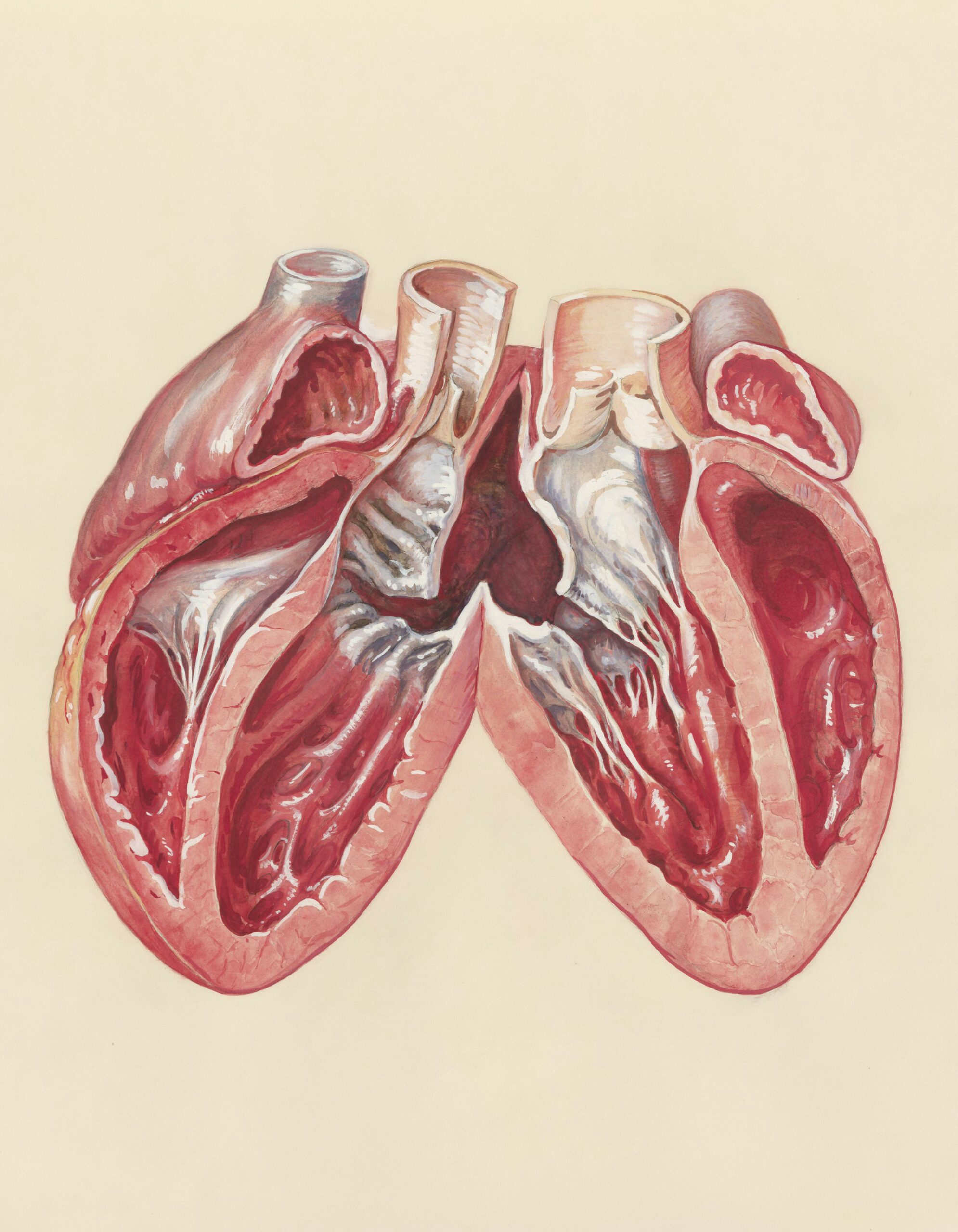
In early May, a cross-party group of Members of the Government presented a renewed initiative to introduce an opt-out system for organ donation. Under this proposal, individuals would automatically be considered organ donors unless they have explicitly documented their objection. A second cross-party group has taken a stand against this infringement on fundamental rights, arguing that the right to self-determination over one’s own body does not end with death, and that organ retrieval should only be permitted on the basis of explicitly documented consent. Furthermore, recent studies lend weight to the criticism regarding the criterion of brain death—used to obtain viable organs – as well as the diagnostic methods employed to determine it. Brain-dead individuals are not dead. Even if the brain damage is likely irreversible, death is ultimately brought about by the retrieval of organs and the discontinuation of life-sustaining measures.
In late April, it came to light that Hendrik Streeck, a CDU Member of the Government, had obtained a child via a surrogate mother in the USA. By having his parenthood recognised in Germany, he effectively circumvented the country’s existing ban on commercial surrogacy. Despite this prohibition, surrogacy services are regularly advertised in Germany at so-called „fertility fairs.“
In both instances, human beings are instrumentalised to serve the interests of others, and existing laws designed to protect the unique dignity of every human being are undermined. The human body is not a spare-parts warehouse, nor is organ donation merely an act of charity. In many countries, individuals fall victim to the illicit organ trade. Likewise, women are not anonymous wombs, and children are not commodities. Above all other interests, children possess the right to know their biological parents. There is no inherent „right to have a child“ – just as there is no inherent right to another person’s organ.